4
Truth or Trap?
Truth or Trap?
Sadržaj
Wait… Saudi scientists just ‘discovered’ women are mammals?

If that headline made you react before you questioned it, then stay with us.
This headline was designed to make you angry, shocked, or laugh instantly. But why? Why use sexism, outrage, and absurdity instead of facts? Did you react emotionally before checking if it was real? And if you did… How many other fake headlines have done the same to you?
Fake news doesn’t want you to think first — it wants you to feel first. Anger spreads faster than facts. Shock gets more clicks than truth. But ask yourself: Who benefits when people react without questioning? Why are extreme words used? Why does the headline sound unbelievable yet tempting to share? And most importantly… What happens to society when emotions become stronger than critical thinking?
Every day, social media and other news outlets fight for your attention using shock, fear, anger, humor, and emotion — and fake news knows exactly how to use them. In this interactive playlist, you’ll explore real examples, viral headlines, flash mobs, games, and challenges that reveal how misinformation spreads and why people believe it.
You’ll learn how to:
- spot manipulation online,
- recognize emotional triggers,
- uncover fake news in 5 simple steps,
- fact-check like a digital detective,
- and think critically before sharing content.
By the end of the playlist, you won’t just scroll differently — you’ll see the internet differently.
Aktivnosti koje treba dovršiti
Finish all activities to earn the playlist badge
Obavite sledeće aktivnosti, steknite značke znanja i videćete da se napredak vaše plejliste ažuriraSadržaj
Want to debunk fake news? Let's learn 6 essential elements & become a fake news detective!
Step 1 — Origin

Does your answer match the exercise 1b from Activity 1: Escape the Algorithm?
Ready to practice? Take the quiz and identify the fake webpages. Share your results with us under Task 1 below.
Step 2 — Source

Check out this web pages:
What do you think about them? DId you visit the “About us” section to verify the source? Write your analysis in a few sentences under Taks 2.
Important Element — Dates
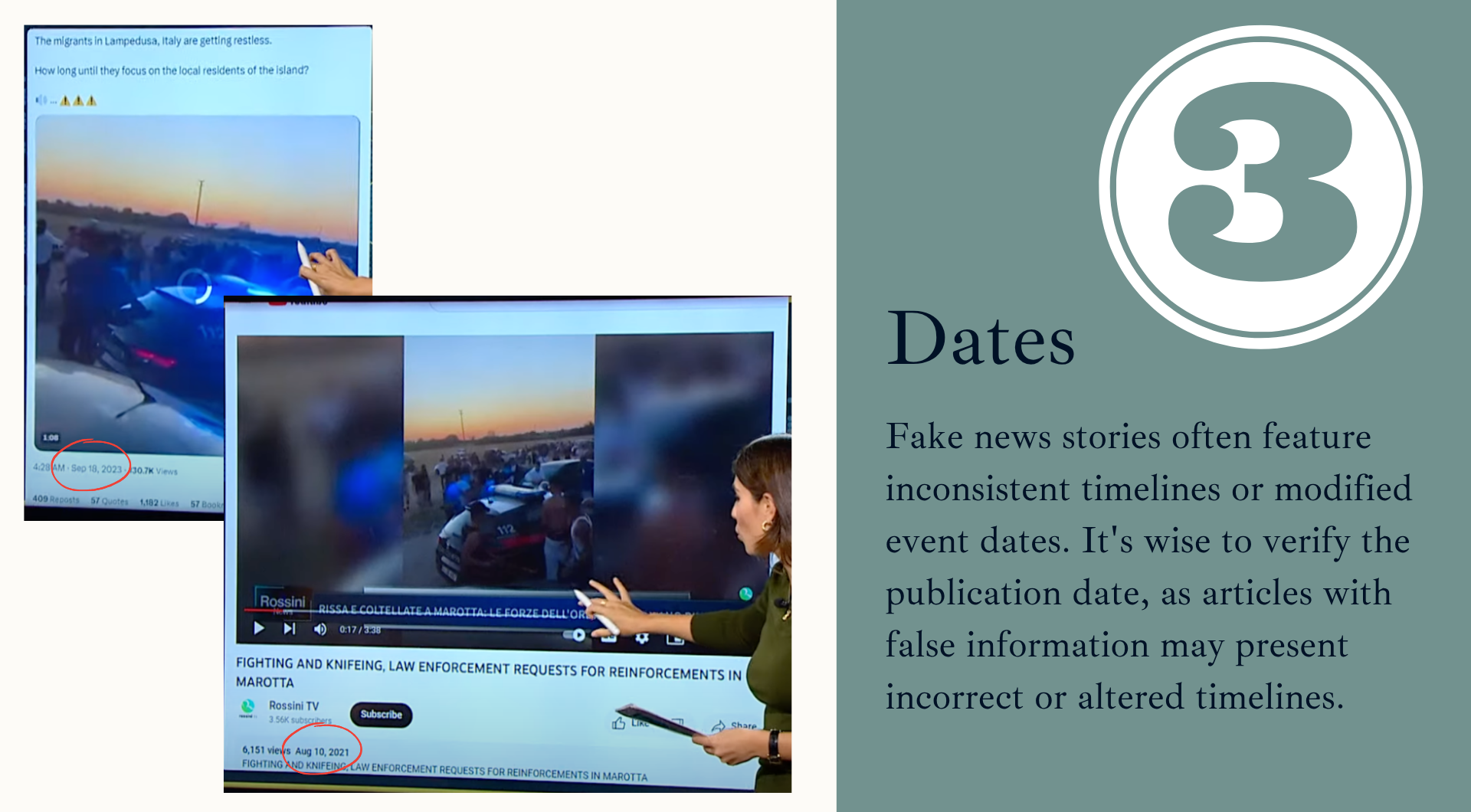
Another important habit is checking the date of the information you see online. Old photos, videos, or news stories are often reshared as if they are recent events, which can create confusion and spread misinformation. A quick look at when content was originally published can help you better understand the context and avoid being misled.
Step 3 — Clickbait or a joke

Act as a fake news detective. Based on the picture above, which news story (A or B) do you think is fake? Share your thoughts under Task 3 and explain your reasoning.
Step 4 — Author

You have two examples of authors and the messages they want to share with their audience. Analyse both and decide which one you believe is fake: A or B. Write your answer and reasoning under Task 4.
Step 5 — Photo/video

We have a task for you! Take your phone and open Google, find this place:

Write down your answer under tasks 5.
Preuzmi značku znanja aktivnosti
Fact-Check Hero Preuzmi ovu značku znanja
By completing this activity, you will learn how to identify and analyse fake news using six essential verification elements: origin, source, dates, clickbait, authors, and visual content. They will develop critical thinking, media literacy, and digital safety skills by evaluating websites, headlines, authors, and images to determine whether information is trustworthy or misleading.
You will gain practical experience in:
- recognising fake or suspicious webpages,
- verifying news sources and “About Us” sections,
- identifying clickbait and emotionally manipulative content,
- analysing author credibility and intent,
- checking photos and videos for authenticity,
- explaining and justifying their conclusions using evidence.
After completing the activity, you will be better prepared to navigate online information responsibly and act as informed digital citizens and fake news detectives.
Morate da završite 1 zadatak da biste dobili značku znanja
Zadaci
Zadatak broj1
Dokaz verifikovan od strane: jedan/na organizator/ka aktivnosti
Task 1. Origin
Zadatak broj2
Dokaz verifikovan od strane: jedan/na organizator/ka aktivnosti
Task 2. Source
Check out this web pages:
What do you think about them? Did you visit the “About us” section to verify the source? Write your analysis in a few sentences.
Zadatak broj3
Dokaz verifikovan od strane: jedan/na organizator/ka aktivnosti
Task 3. Clickbait

Act as a fake news detective. Based on the picture above, which news story (A or B) do you think is fake? Share your thoughts under Task 3 and explain your reasoning.
Zadatak broj4
Dokaz verifikovan od strane: jedan/na organizator/ka aktivnosti
Task 4. Author
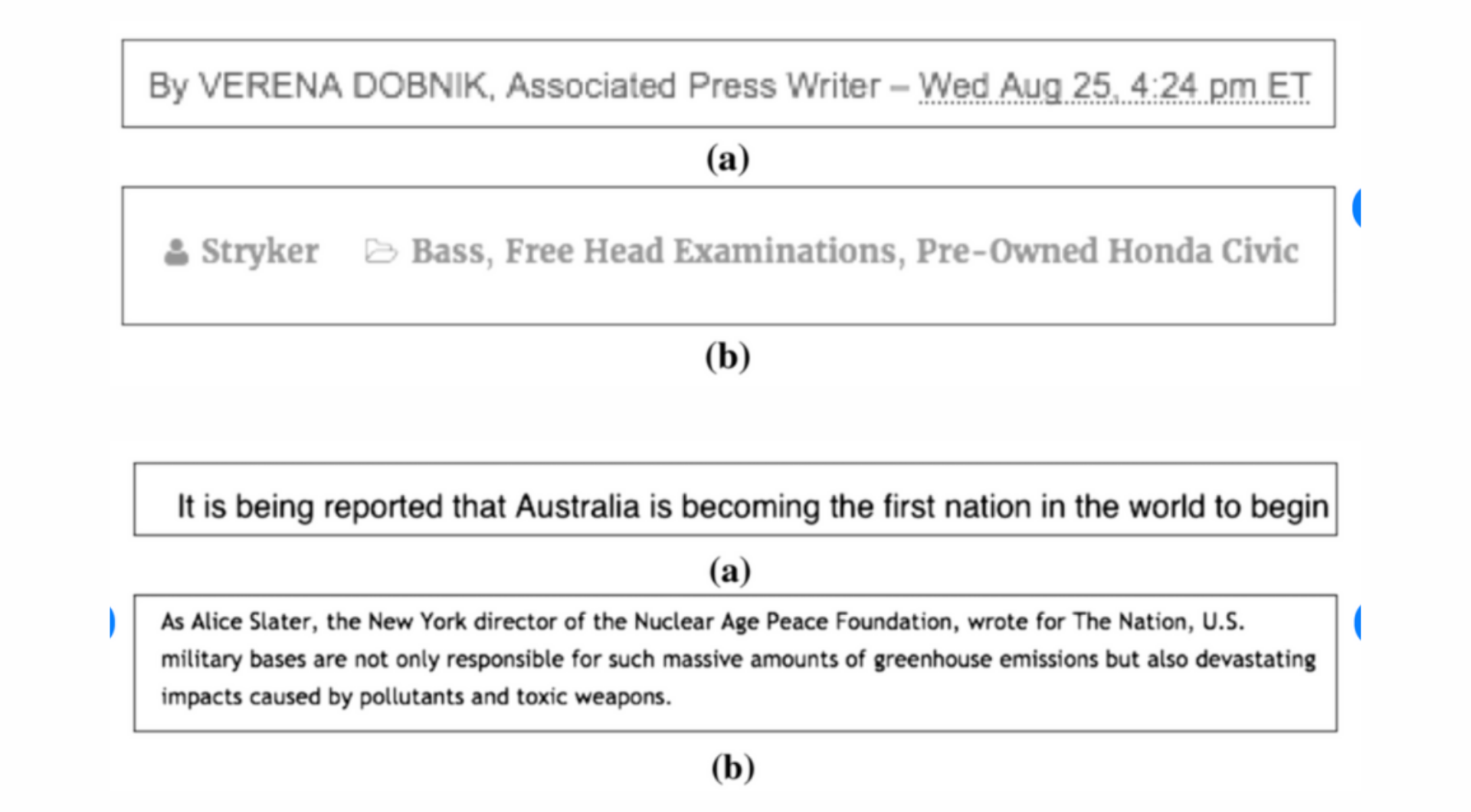
You have two examples of authors and the messages they want to share with their audience. Analyse both and decide which one you believe is fake: A or B. Write your answer and reasoning.
Zadatak broj5
Dokaz verifikovan od strane: jedan/na organizator/ka aktivnosti
Task 5. Photo
We have a task for you! Take your phone and open Goolge, find this place:
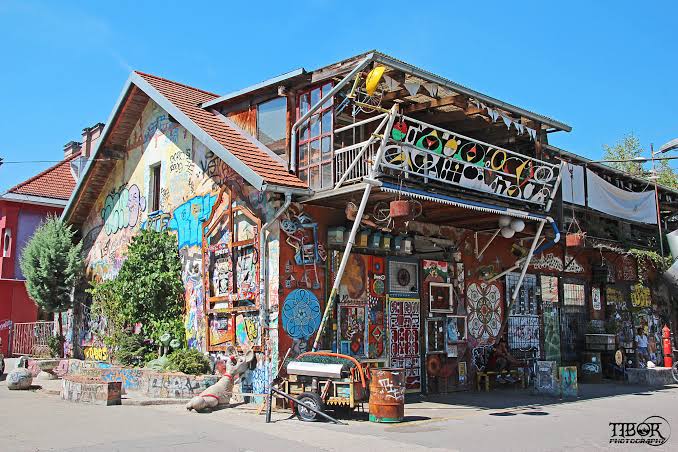
Write down what did you find about this place
Zadatak broj6
Dokaz verifikovan od strane: jedan/na organizator/ka aktivnosti
Task 6. Migration

Write down your analysis.
Zadatak broj7
Dokaz verifikovan od strane: jedan/na organizator/ka aktivnosti
Task 7. Climate change

Aktivnosti: 3
Započeto: 1
Završena plejlista: 0
Vreme za završetak: 1 sat 30 minuta
Podelite :
Organizatori
TiPovej!
Badge issuer recognized with

Badgecraft drži i razvija ovu platformu sa vodećim obrazovnim organizacijama. Program Evropske unije Erasmus+ odobrio je sufinansiranje za izradu prve verzije ove platforme. Kontaktirajte support@badgecraft.eu.
Platforma
Promenite na drugi jezik: